


Introduction
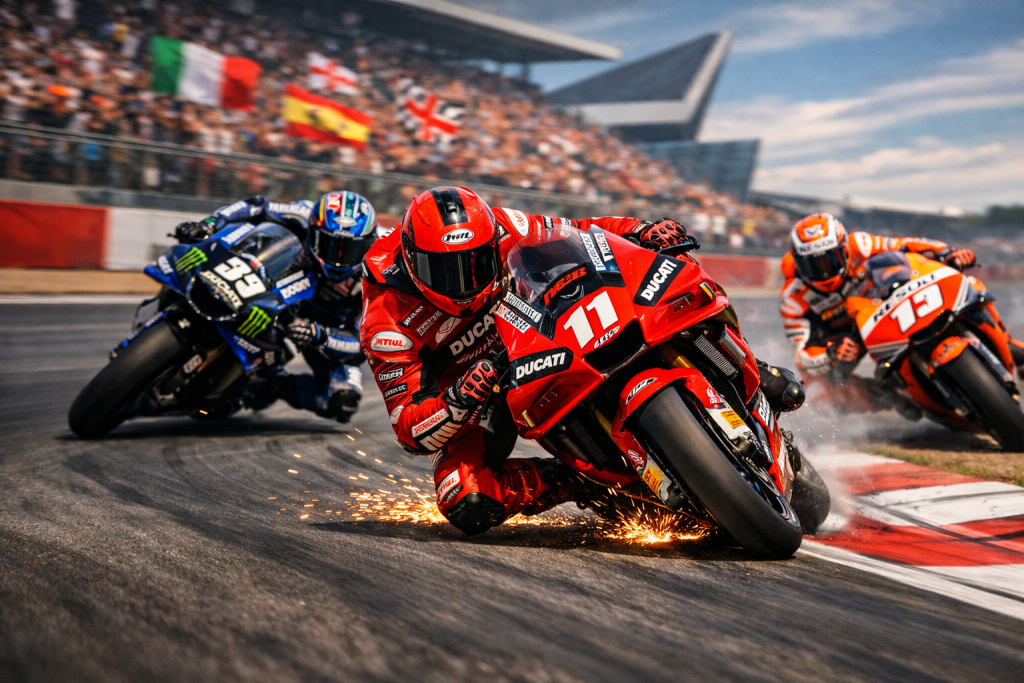
MotoGP represents the pinnacle of motorcycle road racing, delivering high-speed action, precision engineering, and a global spectacle that captivates fans around the world. The sport blends cutting-edge technology with human skill, testing riders and teams across diverse circuits and demanding weather conditions. This blog offers a concise exploration of MotoGP’s allure, its evolution, and what to watch for in contemporary seasons.
A brief history of MotoGP
MotoGP traces its roots to the early days of Grand Prix motorcycle racing, evolving through various classes and rule changes to arrive at the modern era. The premier class, established to showcase the most advanced production-derived machines, has consistently pushed the envelope in terms of performance, aerodynamics, electronics, and chassis design. Over the decades, legendary riders, iconic tracks, and dramatic championships have shaped a heritage that resonates with enthusiasts and newcomers alike. Today, MotoGP stands as a showcase of engineering prowess, strategic racing, and global collaboration among manufacturers, teams, and riders.
The technology that drives the sport
Motorcycles and engineering
The machines powering MotoGP are highly specialised, purpose-built machines that borrow elements from production bikes while incorporating extensive race-specific modifications. Key areas of focus include:
- Powertrain: Lightweight, high-revving engines with sophisticated cooling and friction management enable extraordinary top speeds and rapid throttle response.
- Chassis and electronics: Advanced suspension, chassis geometry, and ride-height devices work in concert with sophisticated electronic control systems to optimise grip, stability, and cornering confidence.
- Braking systems: Enhanced braking performance, carbon-composite materials, and finely tuned ABS/traction control contribute to precise deceleration and control under heavy loads.
Telemetry and data analysis
A defining feature of MotoGP is the wealth of data collected during practice, qualifying, and races. Teams analyse telemetry to fine-tune settings, assess tyre behaviour, and anticipate performance shifts across different tracks and conditions. This data-driven approach underpins strategic decisions about fuel management, tyre selection, and the allocation of resources during race weekends.

Rider biomechanics and safety
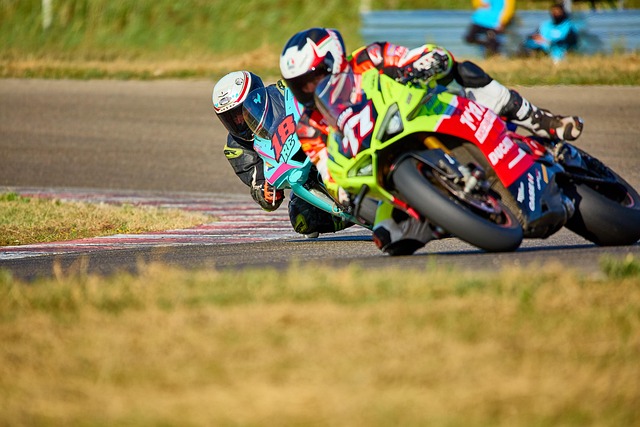
Rider performance in MotoGP hinges on a combination of physical conditioning, mental focus, and ergonomic optimisation. Training regimens emphasise core strength, neck stability, and reaction time, while gear and safety systems continually advance to reduce risk without compromising performance. The collaborative effort among riders, engineers, and medical personnel ensures rapid response to incidents and ongoing improvements in rider welfare.
The season structure and calendar overview
MotoGP seasons unfold across a rotating roster of international venues, featuring practice sessions, qualifying, and multiple races that culminate in a decisive championship. The calendar typically comprises 18 to 22 rounds, distributed across continents to maximise fan engagement and logistical efficiency. Each event presents unique challenges, from high-speed straights to technical braking zones and abrasive surfaces, demanding teams to adapt set-ups and strategies continually.
Fans should pay attention to:
- Circuit variety: Tracks with different grip levels, elevations, and corner configurations test bike performance and rider adaptability.
- Weather and timing: Rain, heat, and time-zone travel shape race outcomes and team decisions.
- Development parity: The ongoing balance between manufacturers and satellite teams influences surprises and title contention.
Rider profiles and team dynamics
MotoGP features a dynamic ecosystem of riders, manufacturers, and teams, each contributing to the sport’s drama and progression. While talent is the core, factors such as crew cohesion, engineering input, and strategic decisions during weekends determine outcomes as often as sheer speed.
- Rising stars: Young riders who blend raw speed with refined racecraft often reshape the competitive landscape within a season.
- Season veterans: Experienced riders bring consistency, technical feedback, and leadership to their teams, playing a crucial role in championship battles.
- Manufacturer rivalry: The interplay between factory teams and satellite outfits drives development, pushing technology forward while maintaining a healthy competitive balance.
The fan experience: from paddock to podium
The MotoGP culture extends beyond the racetrack. Fans engage through live attendance, streaming broadcasts, and vibrant official merchandise, while social media and specialised channels provide behind-the-scenes access. Key experiences include:
- Paddock access and preview sessions: Observing the team atmosphere, sponsor activities, and early practice insights offers a sense of the sport’s inner workings.
- Qualifying drama: Pole positions and sprint to the front often set the tone for weekend tension, with strategic tyre choices adding layers of intrigue.
- The race weekend cadence: Practice, practice sessions, qualifying, and the main event create a rhythm that fans come to anticipate and savour.

The evolution of safety and sustainability
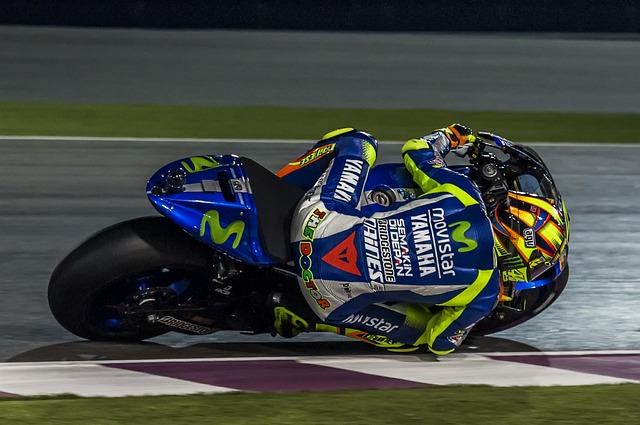
As the sport advances, safety remains a paramount concern. Innovations in protective gear, responsive medical protocols, and improved track design contribute to safer competition without dampening the adrenaline. Sustainability initiatives also guide operations, including event logistics, energy efficiency, and responsible waste management, reflecting MotoGP’s commitment to responsible sport hosting.
What to watch for in upcoming seasons
- Technical development: Ongoing enhancements in power delivery, aerodynamics, and electronics are likely to influence race pacing and overtaking opportunities.
- Rider transitions: New talents emerging from feeder series and established riders switching teams can reshape championship trajectories.
- Calendar shifts: Announcements about venue selection, race dates, and travel logistics affect preparation, testing windows, and strategy.
- Tire strategy: Tire-compound choices and degradation patterns continue to be decisive factors in race outcomes.
Conclusion
MotoGP remains a landmark in motorsport, marrying innovation with intense competition and global appeal. Its ongoing evolution—driven by engineers, riders, and organisers—ensures the sport remains enthralling for longtime followers and newcomers alike. As circuits evolve, riders push boundaries, and teams collaborate across continents, MotoGP sustains a tradition of excellence that both honours its heritage and propels it into the future.
