Football
The Breakaway That Changed Football: The Origins of the Premier League

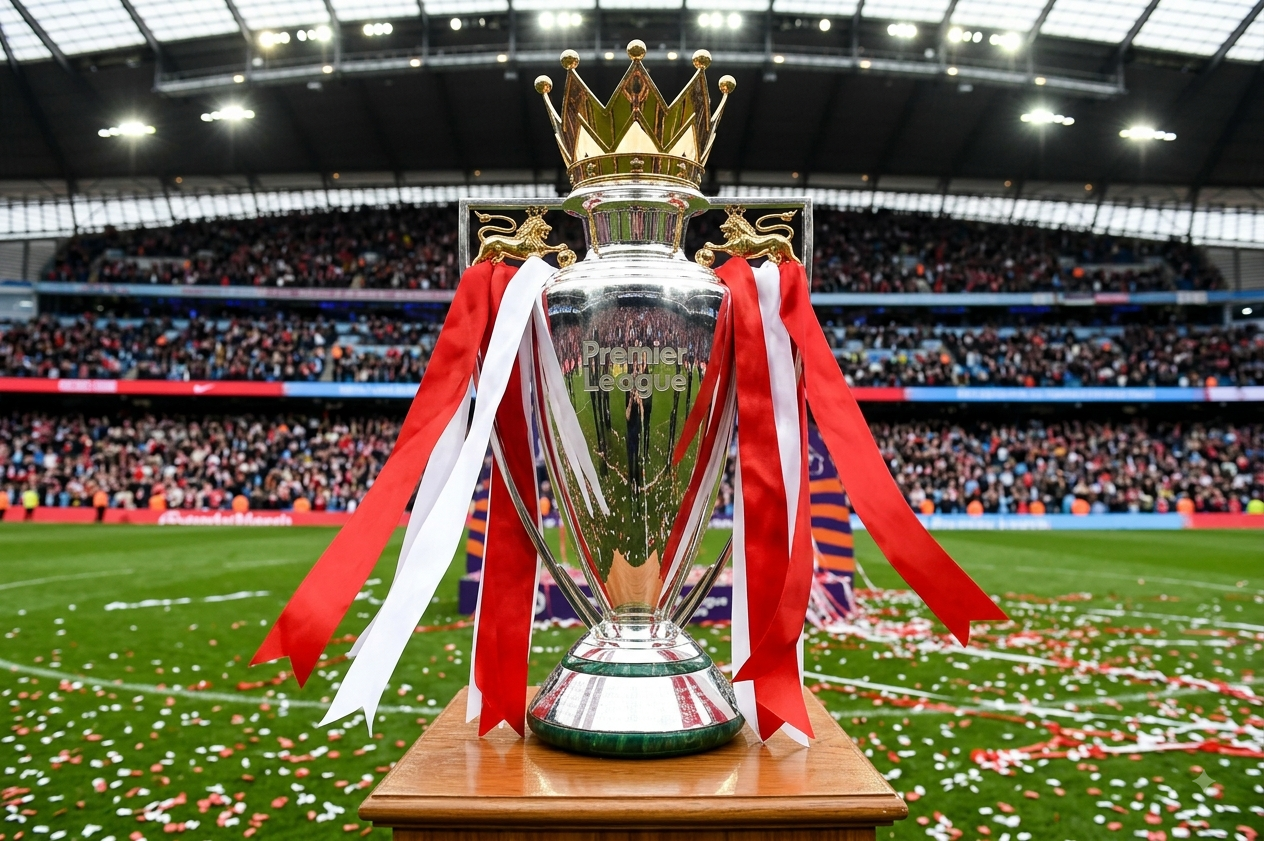
Today, the Premier League is a global entertainment powerhouse broadcast to over 200 countries, generating billions in television revenue and attracting the world’s elite players. Yet three decades ago, English football was at rock bottom—plagued by crumbling Victorian stadiums, low attendances, and a five-year ban from European competitions following the Heysel Stadium tragedy.
So how did English football transform from a crisis-ridden domestic league into the most lucrative sporting spectacle on Earth? Here is the full story behind the 1992 breakaway that created the Premier League.
1. English Football in Crisis (The 1980s)
To understand why the Premier League was created, one must look at the dire state of the game during the 1980s:
- Outdated Infrastructure: Stadiums across England were aging, uncomfortable, and unsafe.
- Tragedies & Bans: Tragedies at Bradford City, Heysel, and Hillsborough forced a total re-evaluation of English football. The 1990 Taylor Report mandated all-seater stadiums, requiring immense capital investment from clubs.
- Commercial Stagnation: Under the old Football League model (founded in 1888), top-flight clubs shared television and sponsorship revenues equally across all four divisions—from top-tier titans down to Fourth Division teams. Top clubs felt hindered by this arrangement and demanded control over their broadcast rights.
2. The Secret Dinner & “The Big Five” (1990)
The catalyst for reform occurred in October 1990 during a secret dinner hosted by Greg Dyke, managing director of London Weekend Television (LWT). Dyke met with executives from English football’s “Big Five” clubs:
                             THE 1990 "BIG FIVE"

              Arsenal   •   Everton   •   Liverpool   •   Manchester
                             United   •   Tottenham
Dyke proposed a radical strategy: if the top clubs broke away from the Football League, ITV would pay top money to stream their live games exclusively. The money would no longer be diluted across lower-league clubs.
Seeking leverage, Arsenal’s David Dein approached The Football Association (FA). At the time, the FA was locked in political friction with the Football League. Seeing an opportunity to weaken the Football League’s dominance, the FA supported the top clubs’ proposal. In 1991, the FA published its “Blueprint for the Future of Football”, advocating for a new top division that could commercialise its own broadcast rights.
3. Resignation and the Birth of a New League (1991–1992)
Key milestones moved the breakaway from concept to reality:
- 17 July 1991: Representatives from all 22 First Division clubs signed the Founder Members Agreement, establishing independence from the Football League.
- 20 February 1992: All 22 First Division clubs formally resigned en masse from the Football League, ending 104 years of unified governance.
- 27 May 1992: The FA Premier League was officially registered as a limited liability company, operating on a “one club, one vote” governance model.
 Revolution Timeline:

  Oct 1990: LWT secret dinner with "Big Five" club bosses
   │
  Jul 1991: 22 First Division clubs sign Founder Members Agreement
   │
  Feb 1992: Mass resignation of First Division clubs from Football League
   │
  May 1992: High-stakes TV bidding war won by BSkyB (£304m deal)
   │
  Aug 1992: Inaugural Premier League season kicks off
4. “Blow Them Out of the Water”: The BSkyB TV Deal
With the new league established, the next battleground was broadcasting rights. ITV was widely expected to win the package, but Rupert Murdoch’s satellite network, BSkyB, saw live English football as the ultimate catalyst to drive satellite dish adoption across Britain.
During the May 1992 voting meeting at London’s Royal Lancaster Hotel, Tottenham chairman Alan Sugar famously phoned Sky executive Sam Chisholm, advising him to “blow them out of the water” with a higher bid.
Sky responded with a record-breaking £304 million bid over five years for 60 live games per season—partnering with the BBC for terrestrial highlights (Match of the Day). The clubs voted in favor of Sky, ushering in a brand-new era of pay-TV broadcasting.
5. Opening Day: August 15, 1992
On Saturday, 15 August 1992, the first Premier League matches kicked off simultaneously across the country.
| Key Inaugural Detail | Historical Fact |
| First Ever Goal | Brian Deane (Sheffield United) vs. Manchester United (5th minute) |
| Original Club Count | 22 teams (reduced to 20 teams in 1995/96) |
| First Champions | Manchester United (ending a 26-year top-flight title drought) |
| Ever-Present Clubs | 6 clubs (Arsenal, Chelsea, Everton, Liverpool, Man Utd, Tottenham) |