Sports
The Evolution of Kayaking and How to Become an Instructor in the UK
From Arctic Survival to Modern Sport: The Evolution of Kayaking and How to Become an Instructor in the UK

From Arctic Survival to Modern Sport: The Evolution of Kayaking and How to Become an Instructor in the UK
The kayak has undergone a remarkable transformation over thousands of years, evolving from an essential hunting tool designed for survival in harsh northern environments into one of the world’s most versatile recreational and competitive watercraft.
The History of the Kayak
The word kayak translates roughly to “man’s boat” or “hunter’s boat.” The origin of the vessel traces back thousands of years to the Indigenous peoples of the Arctic regions, including the Inuit, Inupiat, Yupʼik, and Aleut communities across modern-day Greenland, Canada, Alaska, and Siberia.
- Traditional Construction: Early kayaks were custom-built to match the exact physical proportions of the paddler. Frames were constructed from driftwood or whalebone and tightly covered with stretched animal skins (such as seal or walrus hide), sealed with seal fat to make the vessel waterproof.
- The Original Purpose: These early craft were essential for hunting marine life like seals, walruses, and whales. Their low profiles allowed hunters to sneak up quietly on prey, while closed decks prevented ice-cold water from filling the boat.
- The Greenland Paddle & Roll: To survive capsizing in sub-zero Arctic waters, Indigenous paddlers developed precise paddle techniques and rolling manoeuvres—skills that remain foundational in sea kayaking today.
The Evolution into Modern Kayaking
Kayaking transitioned from a survival craft to a sporting activity in Europe during the mid-19th century.
- The 19th Century Transition: John MacGregor, a Scottish explorer, built the “Rob Roy” canoe/kayak in 1865 based on Arctic designs. He travelled across European rivers and lakes, popularising paddling as a pastime through his travel writings.
- Material Innovation: Over the 20th century, materials shifted rapidly from canvas and wood to fibreglass in the 1950s, followed by rotomolded polyethene plastic in the 1970s. Plastic revolutionised the sport, producing virtually indestructible hulls capable of slamming into river rocks without breaking.
- Disciplines Today: Modern kayaking encompasses a wide variety of specialisations:
- Sea Kayaking: Open-water touring following ancient coastal navigational routes.
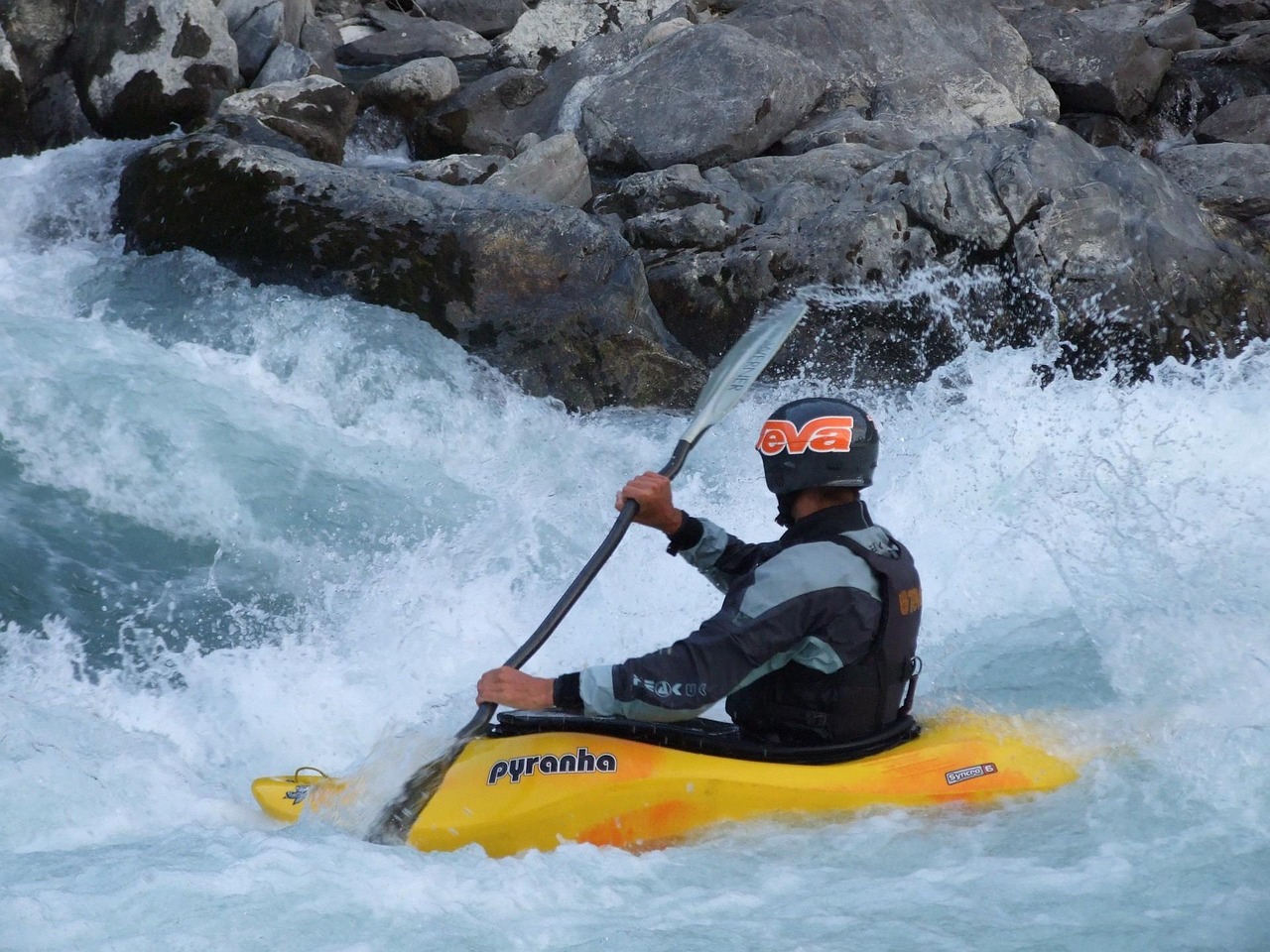
- White Water Kayaking: Navigating technical river rapids, waterfalls, and playboating waves.
- Sprint and Slalom: High-speed Olympic competitive disciplines on flatwater or artificially created whitewater courses.
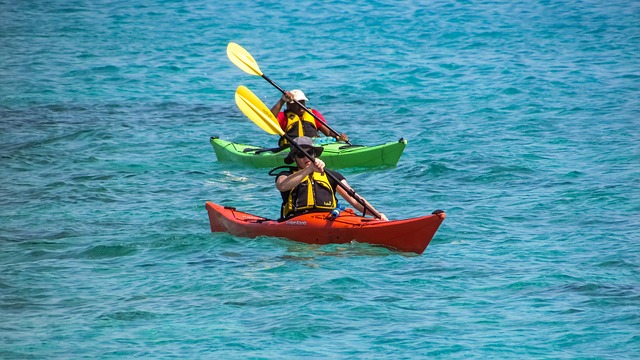
- Recreational & Sit-on-Top: Accessible, stable craft widely used for leisure, coastal exploring, and fishing.
Steps to Become a Kayak Instructor in the UK
In the United Kingdom, qualifications are governed by the British Canoeing Awarding Body (BCAB), working alongside national governing bodies such as Paddle UK (formerly British Canoeing), Paddle Scotland, Paddle Wales, and the Canoe Association Northern Ireland.
The entry-level professional qualification to instruct beginners in sheltered waters is the Paddlesport Instructor Award.
To qualify as a kayak instructor in the UK, follow these core steps:
1. Develop Basic Paddling Competence. Before taking an instructor course, you need solid foundational paddling and boat-handling skills. You should be comfortable controlling your kayak in flat, sheltered water environments, executing efficient forward paddling, steering, turning, and self-managed safety.
2. Obtain Home Nation Membership: You must hold an active, full membership with your relevant national delivery body (e.g., Paddle UK). Membership provides the necessary insurance cover and access to the candidate qualification system.
3. Complete Mandatory Safety & First Aid Training
- Safety Course: Complete the official BCAB Paddlesport Safety and Rescue (PSR) course. This teaches safety protocols, bank-based rescues, boat-based rescues, and self-rescues.
- First Aid: While not always strict for entry-level training, holding a valid 1-day or 2-day Outdoor First Aid certificate is standard practice and required for deployment by employers and for higher-level coaching awards.
4. Register for the Qualification: Log into your national association’s online portal and formally register for the Paddlesport Instructor qualification prior to attending the training course.
5. Complete the 2-Day Paddlesport Instructor Course: Attend a 2-day combined training and assessment course with a certified BCAB course provider. This course focuses on practical skills:
- Kitting up participants and launching safely.
- Structuring games, exercises, and mini-journeys to teach introductory paddling.
- Group safety management, professional standards, and student engagement.
6. Maintain Your Standard for Deployment: Once certified, to work actively at outdoor activity centres or clubs, you will need to keep your membership active, hold an up-to-date First Aid certificate, complete Safeguarding training, and engage in continuous personal development (CPD).