Motorcycles
A History of Speed: The World Superbike Championship

The World Superbike Championship
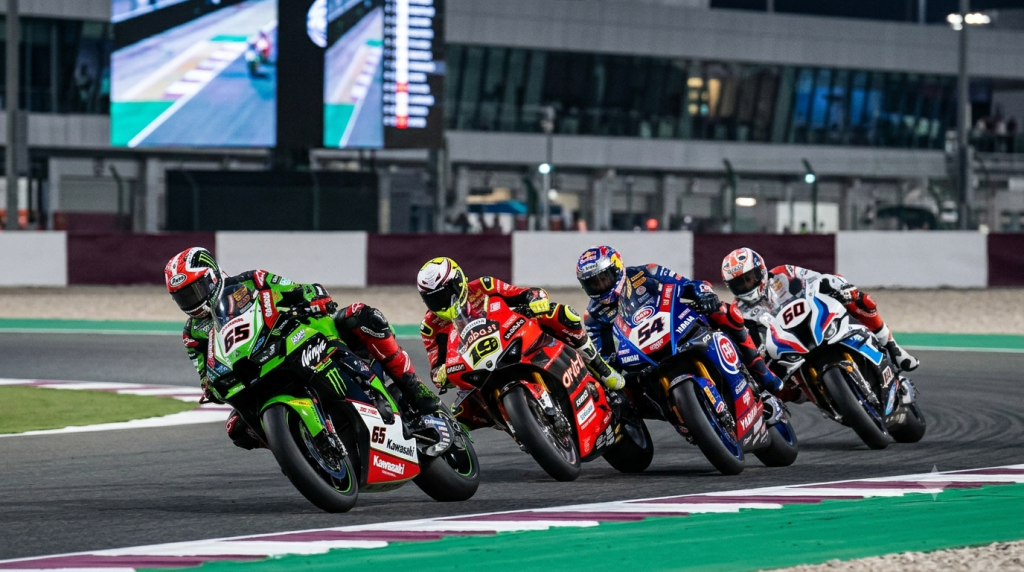
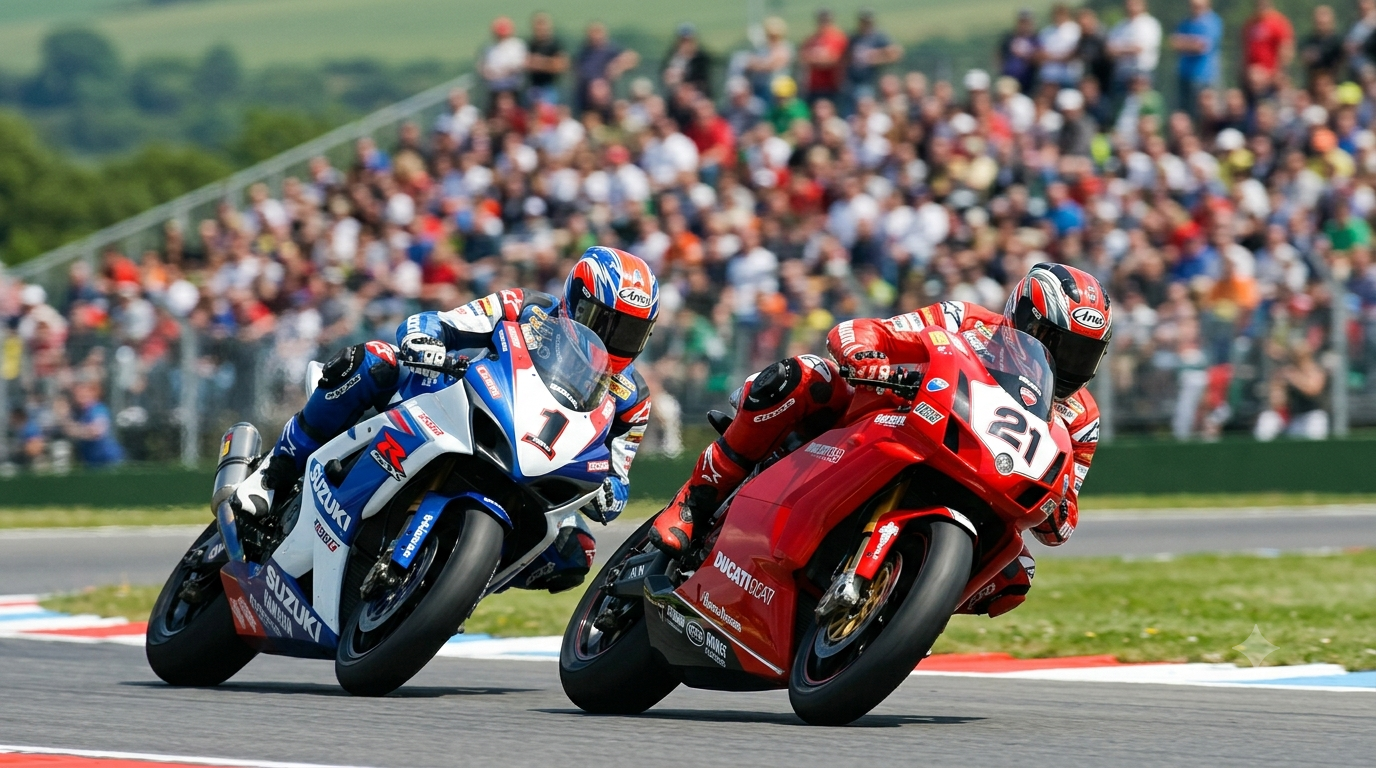
The FIM World Superbike Championship (WSBK) stands as a testament to the thrill of production-based motorcycle racing. Unlike MotoGP, where custom-built prototypes rule, WSBK showcases modified versions of the bikes you can actually buy and ride on the street. Since its inception, it has provided close, competitive racing and a platform for manufacturers to prove their engineering prowess.
The Golden Era: 1988–1997
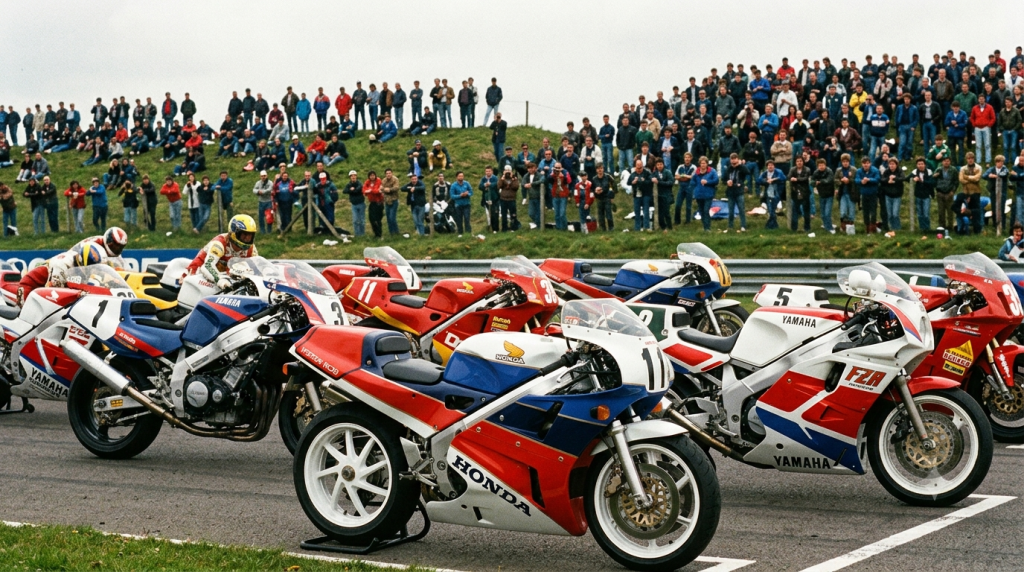
The championship kicked off in 1988 at the Donington Park circuit in the United Kingdom. It was the brainchild of American promoter Steve McLaughlin, who envisioned a truly global series for big-bore production bikes. The early years were dominated by roaring four-cylinder machines from Japan and the iconic V-twins from Ducati.
Riders like Fred Merkel (Honda), Raymond Roche (Ducati), and Doug Polen (Ducati) became household names. This era established the foundational rules, the two-race-per-weekend format, and the raw, unadulterated passion that still defines the series.
Evolution and Innovation: 1998–2008
As technology advanced, so did the machines. Fuel injection, advanced electronics, and lighter materials pushed performance to new heights. The duel between the screaming four-cylinders (like the Yamaha YZF-R1 and Suzuki GSX-R1000) and the high-torque twins (Ducati 996/998/999) intensified.
Carl Fogarty (Ducati), Troy Corser (Ducati/Suzuki), and Troy Bayliss (Ducati) became legendary multiple champions during this period. The series expanded its global reach, with races in Australia, South Africa, and the United States, showcasing the evolution of production superbikes on a massive scale.
The Modern Era: 2009–Present
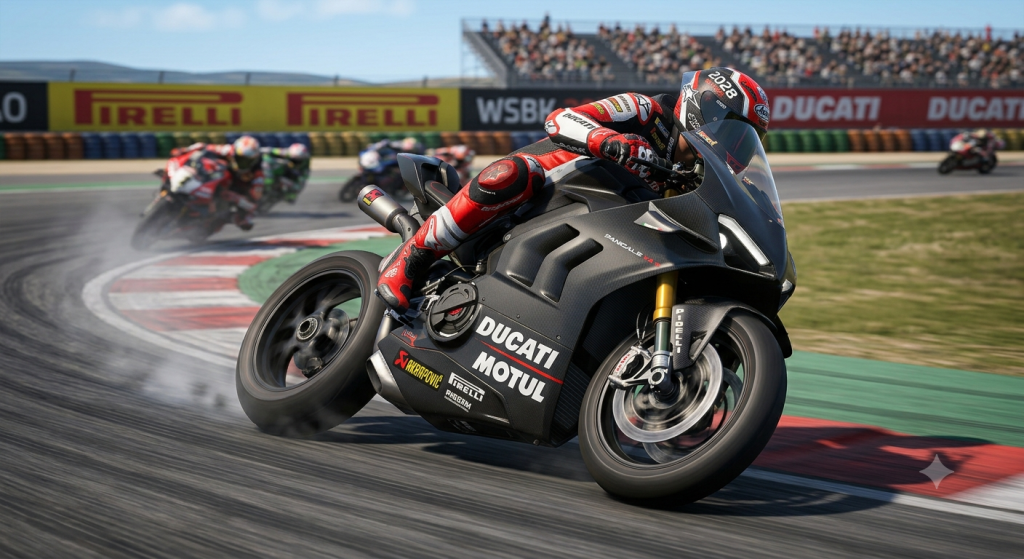
The modern era of WSBK is defined by unprecedented levels of performance, unparalleled electronic sophistication, and closer-than-ever competition. Today’s superbikes, like the Kawasaki Ninja ZX-10RR, Ducati Panigale V4 R, and Yamaha YZF-R1M, utilise MotoGP-derived technology while remaining production-based.
Jonathan Rea’s historic six consecutive titles with Kawasaki cemented his status as a modern legend. The current championship is a thrilling landscape with multiple manufacturers capable of winning, including BMW with the M1000RR. The racing is fierce, technical, and a true celebration of production motorcycle performance.