Sports
UK Sports Broadcasting Guide: Sky, TNT and BBC Explained

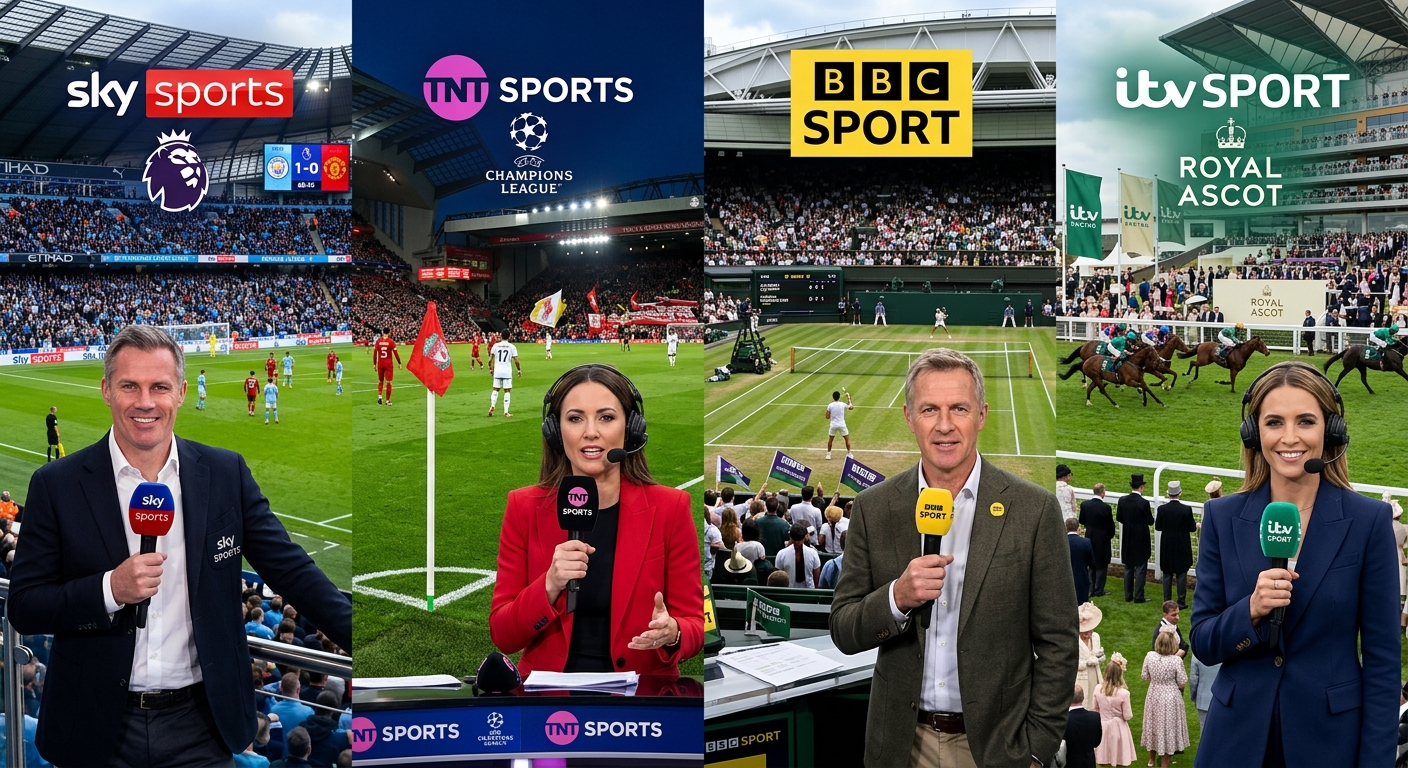
Most fans will never stand inside a packed stadium or sit in the grandstand at a race circuit. Instead, they experience sport through broadcasting. In the UK, that experience is shaped by familiar names such as Sky, TNT Sports and the BBC, each beaming live action into homes, pubs and mobile screens across the country. This guide explains what broadcasting means, how UK broadcasts are regulated, and where those three big names fit into the picture.
What Broadcasting Actually Means
Broadcasting is the distribution of audio and audiovisual content to a large and dispersed audience through an electronic mass communications medium. In practical terms, that means radio and television signals sent out for general public reception. When a channel transmits a live match, the goal is not to reach one specific viewer but to reach anyone who chooses to tune in.
The Cambridge Dictionary offers a simpler definition: broadcasting is “the activity or business of sending out programmes on television or radio.” The word business deserves attention. Sports broadcasting is an industry as much as a service, and the sums involved reflect that.
Who Sets the Rules for UK Broadcasting
In the UK, broadcasting is regulated rather than left to chance. Ofcom sets the rules by which radio and television programmes must abide, and its Broadcasting Code outlines the standards that programmes are expected to meet. Accuracy, fairness and the protection of audiences all fall within the regulator’s remit, and sports coverage is treated no differently from any other genre.
The system is also open. Ofcom publishes its decisions on complaints about programmes in a fortnightly bulletin. If a viewer believes a broadcast has broken the rules, they can raise it formally and the outcome becomes part of the public record.

Sky, TNT and the BBC: The Three Big Names
When UK fans talk about sports broadcasting, three names dominate the conversation. Sky is the commercial heavyweight, known for premium live coverage and dedicated sports channels. TNT Sports offers a broad menu of live events to subscribers, building its own place in the weekend viewing routine. The BBC, by contrast, is a public service broadcaster, and its coverage is designed to reach the widest possible audience.
The three take different commercial approaches, yet they share the same regulatory landscape. A match shown on a subscription channel and a free-to-air fixture on the BBC are both subject to the same Ofcom rules on standards. That consistency matters for viewers, because it means expectations of fairness and accuracy apply across the board.
Why Sports Broadcasting Is Big Business
The Cambridge Dictionary uses a telling example sentence: “Huge amounts of money are spent on sports broadcasting.” Live sport sits at the heart of that spending. It is one of the few forms of content that audiences want to experience in real time. A recorded goal can be watched later, but the shared moment of seeing it happen, with commentary and atmosphere, is what drives demand.
For commercial broadcasters such as Sky and TNT, that demand is turned into revenue through subscriptions and advertising. For the BBC, the aim is different: to bring significant sporting moments to viewers who do not pay for a sports package. Different goals, same fundamental technology.

Broadcasting Covers More Than the Match Itself
Broadcasting is not just the ninety minutes of a game. It includes radio commentary, highlights shows, pre-match build-up, post-match analysis and streams delivered through apps and websites. The common thread is the method of distribution. The content is sent electronically to a wide audience for general reception, rather than delivered as a private conversation.
That breadth is part of what makes broadcasting such a familiar part of following sport. Fans might watch the first half on television, catch radio commentary on the drive home and stream the replay later. Each of those moments is a broadcast, even though the technology behind them differs.

Keeping Up with Broadcasting News
Broadcasting is a fast-moving industry, and there is always news to follow. The BBC itself runs a dedicated broadcasting news section that tracks developments across television and radio. For sports fans, those developments matter. The broadcaster that wins the rights to a competition, and the channel that ends up showing it.
Because rights and schedules shift over time, it is always worth confirming the current arrangements with the official broadcaster. The basics, however, are more stable. A broadcast is still a signal sent to a dispersed audience, and the rules governing it are still set by Ofcom.
Understanding broadcasting adds a new layer to watching sport. It explains why some events are free to air, why others require a subscription, and who to turn to when a programme falls short of the standards viewers expect. The line-up of broadcasters may change, and the technology will keep developing, but the fundamentals remain the same: an electronic signal, a dispersed audience and a shared set of rules.
Frequently Asked Questions
What is broadcasting in simple terms?
Broadcasting is the distribution of audio or video content to a large, dispersed audience through an electronic medium, usually radio or television. The signal is intended for general public reception, which means anyone within range can tune in. Watching a live football match on television, or listening to commentary on the radio, is broadcasting in action.
Who regulates broadcasting in the UK?
Ofcom sets the rules by which radio and television programmes in the UK must abide. Its Broadcasting Code covers standards such as accuracy, fairness and the protection of audiences. Ofcom also publishes its decisions on complaints in a fortnightly bulletin, so there is a public record of how the rules have been applied.
Do the same standards apply to sports programmes?
Yes. The Ofcom Broadcasting Code applies to radio and television programmes across the board, and sports broadcasts are no exception. Match coverage, interviews and analysis all have to meet the same standards as other programmes. Viewers who believe a sports broadcast has broken the rules can complain to Ofcom, and the decisions are published in the regulator’s fortnightly bulletin.
Why do broadcasters pay so much for sport?
Live sport attracts large, dispersed audiences in real time, which makes it extremely valuable to broadcasters. As the Cambridge Dictionary puts it, huge amounts of money are spent on sports broadcasting. Commercial broadcasters such as Sky and TNT recoup that spending through subscriptions and advertising, while public service broadcasters aim to bring major moments to the widest possible audience.