Rugby
The Working-Class Rebellion: A History of Rugby League in the UK

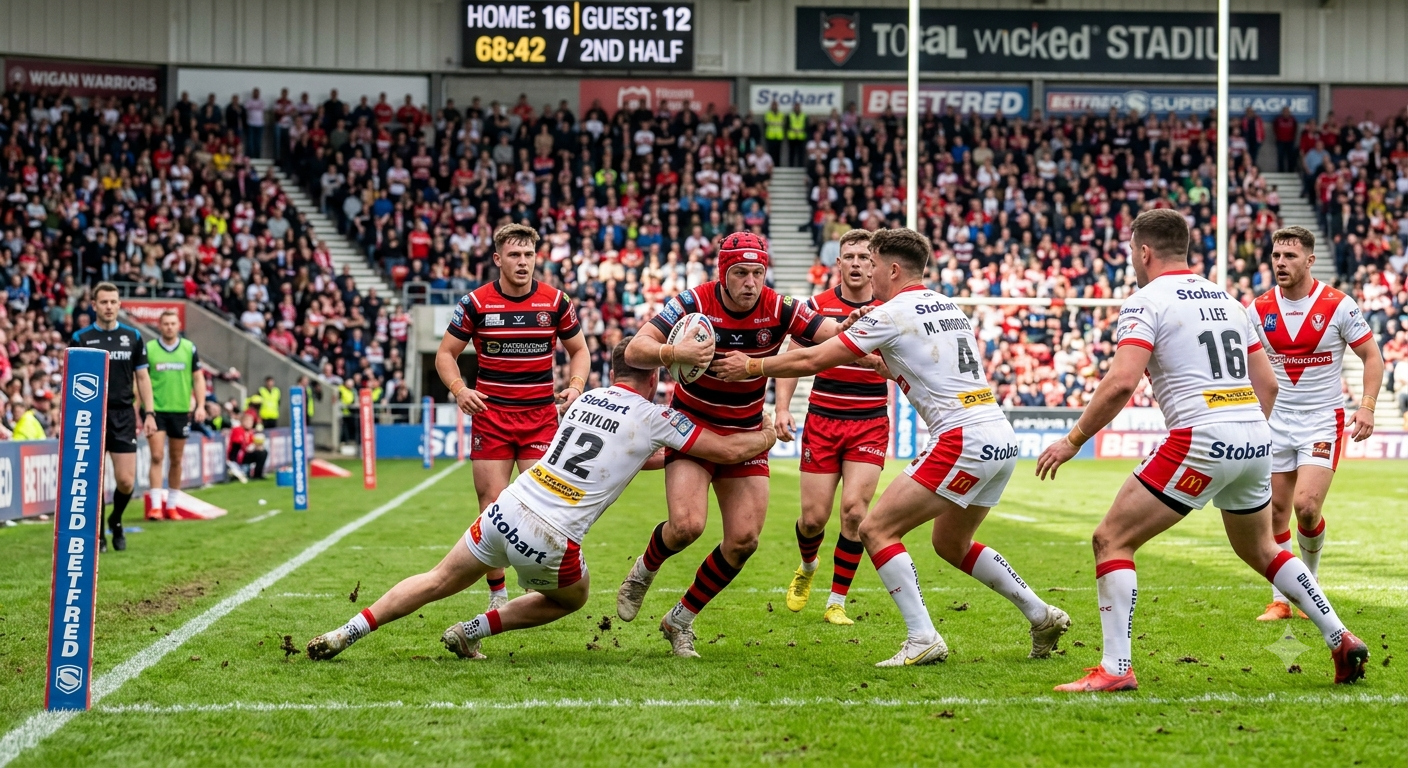
A History of Rugby League in the UK
While rugby is celebrated worldwide, Rugby League holds a uniquely passionate place in British sporting culture—particularly across the industrial heartlands of Northern England. Its birth was not just about changing rules, but a rebellion grounded in class, fairness, and the right to earn a living.
1. The Breakaway at the George Hotel (1895)
The story begins in late Victorian Britain, where rugby was governed by the Southern-based, upper-class Rugby Football Union (RFU).
- The Problem: In Northern England, rugby players were working-class men—factory hands, coal miners, and mill workers. To play away matches on Saturdays, they had to take unpaid time off work.
- The Conflict: Northern clubs wanted to compensate players for their lost earnings—a concept known as “broken time payments”. The strict amateur purists at the RFU vehemently refused.
- The Schism: On August 29, 1895, representatives from 21 Northern clubs met at the George Hotel in Huddersfield and voted to break away from the RFU. They formed the Northern Rugby Football Union (NRFU), which later became the Rugby Football League (RFL) in 1922.
2. Re-engineering the Game for the Spectator
Because these newly independent clubs had to pay their players and cover ground expenses, they depended on ticket sales. To make the sport more entertaining for paying crowds, the NRFU systematically overhauled the rules to make play faster and more dynamic:
- 1906: Teams were reduced from 15 to 13 players, creating more open space on the field.
- No Lineouts: Lineouts were scrapped to prevent long delays, replaced by simple scrum restarts.
- Play-the-Ball: Rucks were removed and replaced with the play-the-ball mechanic, where a tackled player heels the ball back to keep action moving immediately.
These changes transformed the sport into an explosive, physical, and continuous spectacle.
3. Post-War Boom & Historic Crowds
During the mid-20th century, Rugby League became an integral part of working-class identity across Yorkshire, Lancashire, and Cumbria. Matches drew staggering attendances.
A historic high point arrived on May 5, 1954, during the Challenge Cup Final replay at Odsal Stadium in Bradford. An estimated 102,569 spectators squeezed into the ground to watch Warrington take on Halifax—a record rugby crowd in Britain that stood for decades.
4. The Super League Era (1996–Present)
By the mid-1990s, the sport faced financial pressure and declining winter attendances. A dramatic revolution was needed to modernise the game.
- Summer Rugby: In 1996, fueled by a major broadcasting deal with Sky Sports, the British game abandoned its traditional winter season to launch the Super League, played from spring through summer.
- Expansion: Teams adopted modern nicknames (e.g., Wigan Warriors, St Helens, Leeds Rhinos) and expanded beyond the traditional heartlands, bringing in clubs like the London Broncos and France’s Catalans Dragons.
Today, events like the Challenge Cup Final at Wembley and the Super League Grand Final at Old Trafford showcase how a 19th-century industrial dispute created one of the UK’s most thrilling sporting codes.
For a complete look back at how the modern era reshaped the sport over the last three decades, check out The Entire History of the Super League.
This video gives an excellent visual overview of the major transformations, iconic rivalries, and expansion efforts that have defined British Rugby League since the 1990s transition.